Infrared Saunas vs Steam Saunas: Choose the Right Heat
Infrared vs Steam Saunas: Choosing the Right Heat for Your Routine
There’s more than one way to build heat.
When people start comparing infrared vs steam saunas, they’re usually trying to answer a simple question: what’s this actually going to feel like, and which one fits my routine?
Because while both are built around heat and sweat, the experience is completely different once you step inside.
A traditional steam sauna surrounds you with high heat and humidity. It’s immediate, intense, and hard to ignore. Infrared takes a quieter approach. The air stays cooler, the heat builds more gradually, and your body warms up at its own pace.
Neither one is better across the board. But they serve different purposes and once you understand how they work, it’s much easier to decide which one makes sense for you.
What Is an Infrared Sauna?
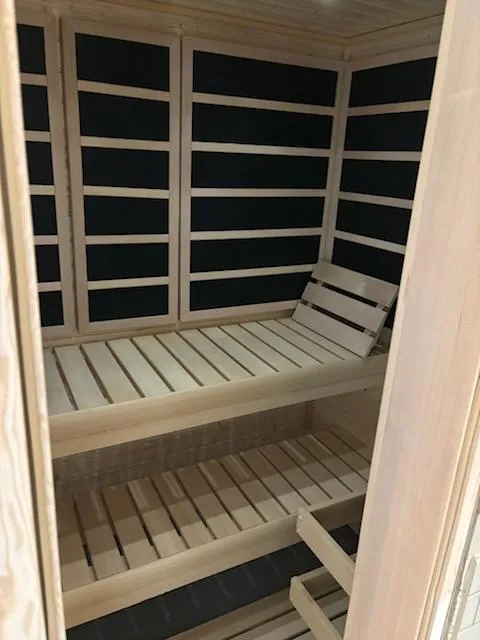
An infrared sauna uses light, infrared wavelengths, to heat your body directly. Instead of warming the air around you first, the heat is absorbed at the surface of your skin and builds from there.
That one difference changes the entire experience.
●Lower air temperature
●Slower, more gradual heat
●A deep, steady sweat
Most infrared saunas operate somewhere around 110–140°F, compared to much higher temperatures in traditional saunas. So even though you’re still heating up and sweating, it doesn’t hit you all at once.
How Infrared Differs from Traditional Saunas
At a glance, both types of sauna offer similar outcomes: heat, sweat, and a chance to slow down.
But how they get there matters.
Traditional Sauna (What Most People Picture)
Heats the air using a stove and stones
Temperatures often reach 150–200°F
Can include steam (löyly) for added intensity
Heat surrounds you from the outside in
Infrared Sauna
Uses infrared panels to heat your body directly
Runs at lower temperatures (typically 110–140°F)
No steam, no humidity
Heat builds from the inside out
What an Infrared Session Feels Like
If you’re used to a traditional sauna, the first thing you’ll notice is what’s missing.
No blast of heat when you open the door.
No heavy air.
No sharp wave of intensity.
Instead, it’s quieter. You sit and the warmth builds. Your body starts to respond before the room ever feels “hot.” That slower ramp-up is why many people stay in longer. Sessions often run 20–30 minutes because the lower ambient heat is easier to tolerate.
Why Someone Might Choose Infrared
Infrared isn’t a replacement for traditional saunas. It’s a different lane. Here’s where it tends to make the most sense:
1. You Don’t Love Extreme Heat
Not everyone enjoys sitting in 180°+ air. Infrared gives you the benefits of heat and sweat without that overwhelming intensity. It’s often a better fit for people who feel lightheaded or uncomfortable in high heat.
2. You Want Longer, More Relaxed Sessions
Because the air temperature is lower, it’s easier to stay in longer without feeling pushed out.
That makes it appealing for:
●End-of-day recovery
●Slow, quiet sessions
●People who prefer a gentler pace
3. You’re Building a Sauna at Home
Infrared units tend to be:
●Easier to install
●Faster to heat up
●More energy-efficient
They’re often the simpler entry point for someone who wants a consistent routine at home.
4. You Prefer Dry, Consistent Heat
No water on rocks, no humidity swings, just a steady, even warmth from start to finish. For some people, that predictability is the whole appeal.
What Infrared Doesn’t Replace
If you’ve experienced a traditional sauna, you already know there’s something about it that’s hard to replicate.
The heat, the steam, the ritual of pouring water over hot stones. Infrared doesn’t try to recreate that, and it shouldn’t.
Traditional saunas deliver higher heat exposure and are the foundation of most long-term research on sauna use and health outcomes. They’re immersive in a way infrared simply isn’t.
Infrared vs Steam Saunas: Which One Is Right?
It comes down to how you want to experience heat.
Choose infrared if you want:
●Lower temperatures
●Longer, more comfortable sessions
●A simple, accessible home setup
Choose traditional if you want:
●High heat and intensity
●Steam and humidity
●A more immersive, ritual-driven experience
Both can help you slow down. Both can become part of a routine you actually stick with. And that’s the part that matters most.
A Simple, Everyday Way to Add Heat to Your Routine
One of the biggest advantages of infrared saunas is how easy it is to make it part of your day. Turn it on, step in, and let the warmth build, no complicated setup, no guesswork.
The heat itself is steady and consistent, designed to help your body relax, recover, and reset over time. It’s not overwhelming. It’s something you can come back to again and again.
It’s also a practical choice for everyday living. Infrared systems are efficient, using about as much power as many common household appliances, even with regular use. And because the temperatures are lower and easier to tolerate, it’s a comfortable option for a wide range of people including families looking for something simple, safe, and accessible.
In other words, it’s not just about the session. It’s about building a routine you’ll actually stick with. A good sauna is about finding something you’ll use consistently, comfortably, and over time.
